Dental technology is continuously improving the way dentists examine teeth, diagnose problems, and plan treatments. Traditional dental impressions often involve using impression materials that can feel uncomfortable for patients. Today, digital scanning offers a more convenient and accurate approach to capturing detailed images of teeth and surrounding oral structures.
With digital dental scanning in Warangal, patients can benefit from modern technology that helps dentists understand their dental conditions and plan treatments more effectively. From orthodontic treatments and crowns to dental implants, digital scans support better visualization and personalized treatment planning.
At Kakatiya Superspeciality Dental Hospital, advanced dental technology helps improve the treatment experience while supporting accurate clinical assessments and patient care.
What Is Digital Dental Scanning in Dentistry?
Digital dental scanning is a modern dental procedure that uses an intraoral scanner to capture detailed digital images of a patient's teeth and gums.
Instead of placing traditional impression materials inside the mouth, dentists use a small handheld scanning device to create a digital 3D model.
This technology is useful for:
- Examining tooth structure and alignment.
- Planning crowns and bridges.
- Supporting orthodontic treatment.
- Evaluating dental implant procedures.
- Creating digital dental impressions.
- Monitoring changes during treatment.
Digital dentistry in Warangal is helping dental professionals use detailed visual information to plan procedures according to individual patient requirements.
How Does Digital Dental Scanning Work?
A digital dental scanner uses optical technology to capture multiple images of the teeth and surrounding structures. Specialized software combines these images to create a three-dimensional digital model.
The process generally involves:
- Initial Examination: The dentist examines the patient's teeth and identifies the areas requiring scanning.
- Scanning Process: A handheld intraoral dental scanner captures images inside the mouth.
- Digital Model Creation: The captured images are processed into a 3D representation.
- Image Evaluation: The dentist examines tooth shape, spacing, alignment, and other details.
- Treatment Planning: The digital model helps the dentist evaluate suitable treatment options.
Patients looking for an intraoral dental scanner in Hanamkonda can benefit from understanding how this technology supports modern dental procedures.
Benefits of Digital Scanning in Dental Treatment
Digital scanning offers several advantages for both dentists and patients.
- Improved Accuracy: Digital scans capture detailed information about tooth surfaces and structures. These images help dentists evaluate dental conditions and plan restorations.
- Better Patient Comfort: Traditional impressions may cause discomfort or gagging in some patients. Digital scanning avoids the need for conventional impression trays and materials.
- Faster Digital Records: Digital impressions can be stored electronically and accessed when required, making it easier to review patient information.
- Better Treatment Visualization: Three-dimensional images allow dentists to explain dental conditions and proposed treatments more clearly.
- Improved Communication: Digital files can be shared with dental laboratories when designing crowns, bridges, and other restorations.
These benefits make advanced dental technology in Warangal an important part of modern dental care.
Digital Scanning vs. Traditional Dental Impressions
Traditional dental impressions use a soft impression material placed inside a tray. Once the material sets, it creates a physical copy of the teeth.
Digital dental impressions use optical scanners to create electronic 3D models. Here are some key differences:
| Feature | Traditional Impressions | Digital Scanning |
|---|---|---|
| Method | Impression material | Optical scanning |
| Patient Comfort | May cause discomfort | Generally more comfortable |
| Records | Physical impressions | Digital files |
| Visualization | Physical dental models | 3D digital models |
| Storage | Physical storage | Electronic storage |
| Sharing | Physical or scanned copies | Digital file transfer |
Both methods have their uses, and the dentist decides which approach is suitable for each treatment.
How 3D Dental Scans Help in Treatment Planning
3D dental scanning in Warangal helps dentists understand tooth structure, spacing, and alignment through detailed digital models.
These models support several treatment-planning activities:
- Crowns and Bridges: Helps evaluate tooth shape and restoration requirements.
- Orthodontics: Supports assessment of tooth alignment and bite relationships.
- Dental Implants: Helps evaluate restorative requirements and coordinate implant planning with appropriate imaging.
- Smile Restoration: Allows dentists to examine tooth proportions and discuss restorative options.
- Treatment Monitoring: Helps compare digital records taken at different stages.
Digital dental treatment planning in Hanamkonda can make it easier for patients to understand their treatment options before procedures begin.
However, intraoral scans do not replace dental X-rays or CBCT scans when information about roots, bone, or internal structures is needed.
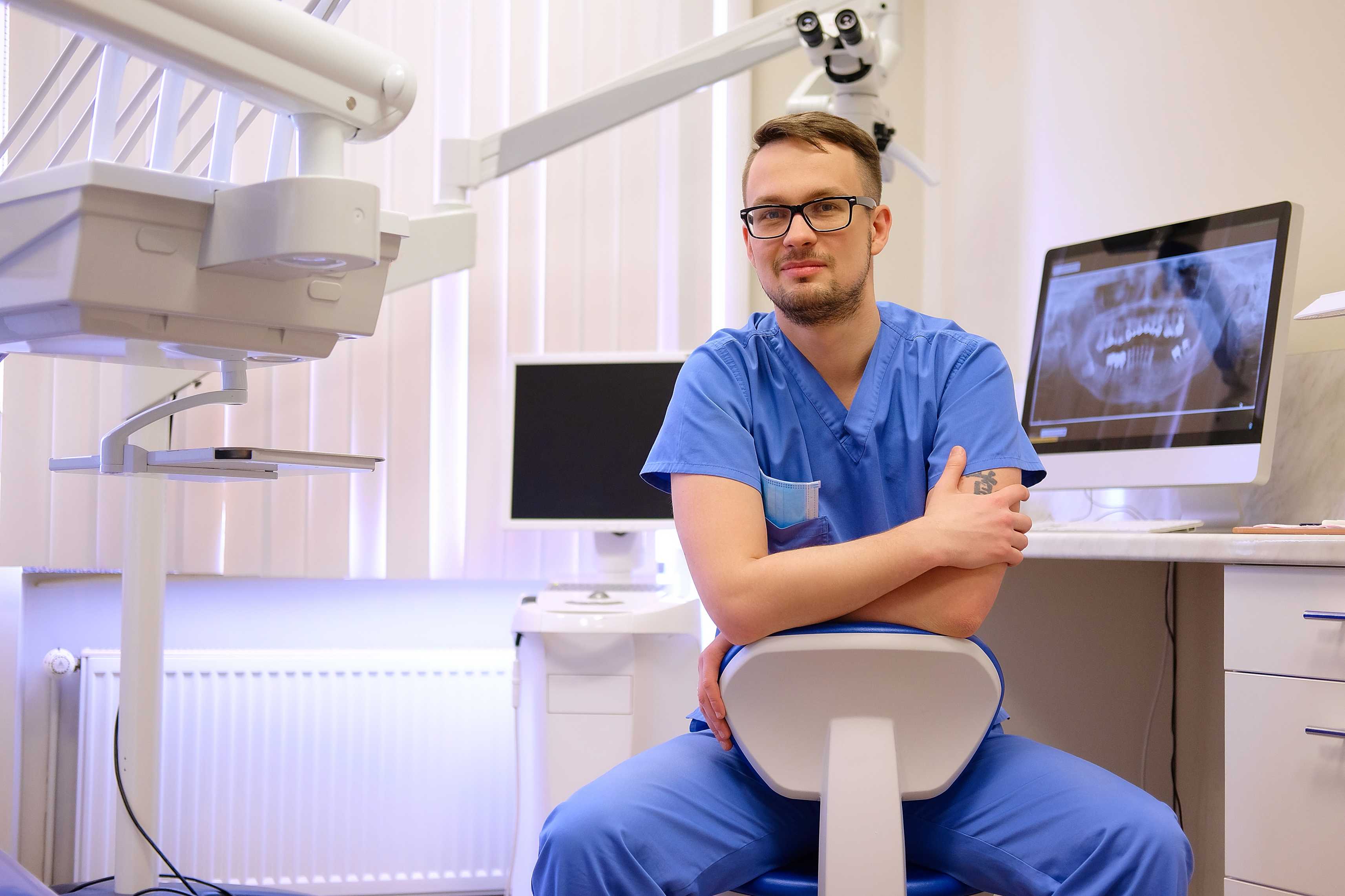
Kakatiya Superspeciality Dental Hospital focuses on modern dental evaluation and treatment planning supported by digital dental technology.
Dental Procedures That Use Digital Scanning
Digital scanning is useful in several dental treatments where accurate impressions and digital models are required.
Common applications include:
- Dental Crowns: Captures tooth dimensions for restoration design.
- Dental Bridges: Helps record the position and shape of supporting teeth.
- Clear Aligners: Provides digital models for orthodontic planning.
- Dental Implants: Supports the restorative planning process.
- Veneers: Helps evaluate tooth shape and restoration design.
- Full-Mouth Rehabilitation: Provides digital records for evaluating multiple restorations.
Patients searching for digital dental scanning in Hanamkonda can consult a dentist to understand whether scanning is suitable for their planned procedure.
What to Expect During a Digital Dental Scan?
A digital dental scan is generally a simple and non-invasive procedure. During the appointment:
- The dentist explains the scanning process.
- You may be asked to sit comfortably with your mouth open.
- A small handheld scanner is moved across the teeth.
- Images appear on a connected computer screen.
- The dentist reviews the completed digital model.
The time required depends on the number of teeth being scanned and the complexity of the procedure.
Most patients find the process comfortable and appreciate being able to see digital images of their teeth.
The Role of Digital Technology in Modern Dentistry
Modern dentistry combines clinical expertise with advanced equipment to improve diagnosis, treatment planning, and patient communication.
Technologies such as intraoral scanners, digital X-rays, CBCT imaging, and computer-aided design and manufacturing (CAD/CAM) support different stages of dental treatment.
Modern dental scanning in Hanamkonda also helps maintain organized digital patient records and improves communication between dentists and dental laboratories.
As dental technology continues to develop, digital dental care in Hanamkonda can offer patients more convenient ways to understand their oral health and treatment options.
Frequently Asked Questions About Digital Dental Scanning
Digital dental scanning uses an intraoral scanner to capture detailed images of teeth and gums. It creates a 3D digital model that helps dentists examine dental structures and plan suitable treatments.
No. Digital scanning is generally painless and non-invasive. A small handheld scanner captures images without requiring traditional impression materials.
A digital dental scan may take approximately 5–15 minutes, depending on the number of teeth and the scanning requirements.
Digital scanning is generally more comfortable and allows immediate visualization of dental structures. However, traditional impressions may still be appropriate for certain procedures.
Yes. Digital impressions can support the restorative planning process. CBCT imaging may also be required to assess jawbone structure and implant positioning.
You can consult Kakatiya Superspeciality Dental Hospital to understand the available digital scanning facilities and whether they are suitable for your dental treatment.
Digital Dental Scanning at Kakatiya Superspeciality Dental Hospital
Digital scanning is transforming modern dentistry by making dental impressions more convenient and improving how dentists visualize and plan treatments. From crowns and bridges to orthodontics and implant restorations, digital technology supports better clinical assessment and patient communication.
If you are looking for digital dental scanning in Warangal, Kakatiya Superspeciality Dental Hospital focuses on providing patient-oriented dental care supported by modern dental technology. Consult the dental team to explore suitable treatment options and understand the available scanning facilities.
Conclusion
Digital scanning is transforming modern dentistry by making dental impressions more convenient and improving how dentists visualize and plan treatments. It supports several procedures, including crowns, bridges, orthodontics, and implant restorations.
With detailed digital models, dentists can assess dental structures, explain treatment options, and communicate more effectively with patients and dental laboratories. However, the appropriate scanning method depends on the patient's individual dental requirements.
If you are looking for digital dental scanning in Warangal, consult Kakatiya Superspeciality Dental Hospital to understand the available digital scanning facilities and explore suitable treatment options for your oral health needs.