
A healthy smile plays an important role in a child's overall health and development. However, cavities are one of the most common dental problems among children. Frequent consumption of sugary foods, improper brushing habits, and irregular dental visits can increase the risk of tooth decay.
The good news is that simple daily habits can help prevent cavities in children and protect their developing teeth. With proper children's dental care, healthy eating habits, and regular dental checkups, parents can support their children in maintaining strong teeth and healthy smiles.
Understanding the causes of cavities and following preventive dental care practices from an early age can make a significant difference in a child's oral health. Parents can also seek professional dental guidance to ensure their children's teeth receive appropriate care as they grow.
What Causes Cavities in Children's Teeth?
Cavities develop when bacteria in the mouth break down sugars from food and drinks, producing acids that gradually damage the tooth enamel. Over time, repeated acid attacks can weaken the enamel and lead to tooth decay.
Common causes of cavities in children include:
- Frequent consumption of chocolates, candies, and sugary snacks.
- Drinking sweetened beverages and packaged juices.
- Not brushing teeth properly or regularly.
- Going to bed with milk or sugary drinks in a feeding bottle.
- Inadequate fluoride exposure.
- Skipping regular dental checkups.
Understanding these causes helps parents take preventive steps and reduce the chances of tooth decay. Establishing healthy oral hygiene habits early can protect both primary and permanent teeth.
Importance of Daily Oral Hygiene for Kids
Developing good children's oral hygiene habits from an early age is essential for maintaining healthy teeth and gums. Regular brushing and cleaning help remove plaque, food particles, and bacteria that contribute to tooth decay.
Parents should encourage children to brush twice a day, especially before bedtime. Younger children need supervision because they may not clean every tooth properly.
Other important habits include:
- Brushing gently along the front, back, and chewing surfaces of teeth.
- Cleaning the tongue as part of daily oral care.
- Spitting out toothpaste after brushing.
- Flossing between teeth when neighbouring teeth touch.
- Avoiding frequent snacking throughout the day.
Consistent oral hygiene helps remove plaque and supports long-term dental health. Making brushing a regular part of a child's daily routine can also encourage healthy habits that continue into adulthood.
Choose the Right Toothbrush and Toothpaste for Children
Choosing suitable dental products is an important part of dental care for kids. A comfortable toothbrush and an age-appropriate amount of fluoride toothpaste help children maintain effective oral hygiene.
Select a toothbrush with a small head and soft bristles so children can comfortably reach different areas of their mouth. Replace the toothbrush when the bristles become worn or approximately every three to four months.
Use fluoride toothpaste in an age-appropriate amount:
- Below 3 years: A smear of fluoride toothpaste about the size of a grain of rice.
- 3 to 6 years: A pea-sized amount of fluoride toothpaste.
Parents should supervise brushing to ensure children use the correct amount and avoid swallowing toothpaste. Ask a dentist about the appropriate fluoride concentration for your child's individual needs.
Limit Sugary Foods and Drinks to Prevent Tooth Decay
Frequent exposure to sugar increases the risk of cavities. When mouth bacteria break down sugars, acids attack the enamel and gradually weaken the teeth. Repeated exposure throughout the day can increase the chances of tooth decay.
To support cavity prevention for kids, parents should limit:
- Chocolates, candies, and sticky sweets.
- Biscuits, cakes, and sugary desserts.
- Carbonated soft drinks.
- Packaged fruit juices and sweetened beverages.
- Frequent consumption of sweet snacks between meals.
Encourage children to drink water instead of sugary drinks. If they eat sweets, offering them during mealtimes rather than repeatedly throughout the day can help reduce frequent acid attacks on teeth.
Reducing the frequency of sugary snacks and drinks is an important step towards protecting children's developing teeth.
Encourage Healthy Eating Habits for Strong Teeth
A balanced diet supports healthy tooth development and strengthens the body. Including nutritious foods in children's meals can contribute to better oral health.
Some helpful food choices include:
- Milk, Curd and Cheese: Provide calcium and other nutrients important for teeth and bones.
- Leafy Vegetables: Supply vitamins and minerals that support overall health.
- Fruits: Whole fruits provide nutrients and are generally a better choice than sugary fruit drinks.
- Nuts and Seeds: Offer nutrients that support overall growth, when age-appropriate and safe to eat.
- Water: Helps wash away food particles and supports saliva production.
Healthy eating habits, combined with proper brushing, help maintain healthy teeth for children. Parents should encourage balanced meals and limit frequent consumption of foods containing added sugars.
Importance of Regular Dental Checkups for Children
Regular dental visits help identify early signs of tooth decay, gum problems, and other dental concerns before they become more complicated. Preventive examinations also allow parents to understand their child's dental development.
A child's first dental visit should ideally happen when the first tooth appears or by the first birthday. After that, the dentist can recommend a suitable checkup schedule based on the child's oral health.
During dental visits, the dentist may:
- Examine tooth development and alignment.
- Check for early signs of cavities and tooth decay.
- Provide age-appropriate brushing guidance.
- Assess gum health and oral hygiene.
- Recommend preventive treatments when needed.
Regular checkups help parents stay informed about their children's oral health and address dental problems before they progress.
How Fluoride Helps Protect Children's Teeth
Fluoride is a natural mineral that helps strengthen tooth enamel and makes teeth more resistant to acid attacks. It can also help reverse early enamel damage before a cavity develops.
Fluoride toothpaste is one of the most effective ways to support children's teeth protection. Depending on the child's cavity risk, a dentist may also recommend professional fluoride varnish.
The amount and frequency of fluoride treatment should be decided by a dental professional according to the child's age and oral health needs.
Parents should follow professional recommendations regarding fluoride use rather than applying additional products without dental guidance.
Common Signs of Tooth Decay in Children
Recognising the early signs of cavities can help parents arrange timely dental care. Tooth decay may initially develop without causing noticeable discomfort, so regular observation and dental checkups are important.
Parents should watch for early signs of cavities, including:
- White or chalky spots on the teeth.
- Brown or black marks.
- Sensitivity while eating or drinking.
- Pain while chewing.
- Visible holes or damaged areas in the teeth.
- Toothache, especially at night.
Early cavities may not cause pain. Therefore, regular dental examinations are important even when children do not complain about discomfort. Identifying tooth decay early can help prevent further damage.
When Should You Take Your Child to a Pediatric Dentist?
Parents should take their children to a dentist if they notice tooth discolouration, sensitivity, persistent bad breath, or complaints of tooth pain. Early evaluation can help identify the problem and determine suitable treatment.
A dental visit is also important if your child has difficulty chewing, swollen gums, or visible damage to a tooth.
Severe toothache, facial swelling, or fever associated with a dental infection requires prompt medical attention.
Parents searching for a pediatric dentist in Hanamkonda or a dental clinic for children in Warangal should consider a clinic that can assess children's dental development and provide age-appropriate preventive care.
Tips for Maintaining Healthy Teeth in Children
Developing healthy oral care habits early can help protect children's teeth and reduce the risk of cavities. Parents play an important role in encouraging children to follow a consistent dental care routine.
Follow these simple habits to support long-term oral health:
- Brush twice daily using fluoride toothpaste.
- Supervise young children while brushing.
- Encourage flossing when teeth touch.
- Limit sugary snacks and sweetened drinks.
- Choose nutritious meals and encourage water consumption.
- Schedule regular dental checkups.
- Avoid putting babies to sleep with bottles containing milk or sweetened drinks.
- Never ignore tooth pain or visible signs of decay.
These simple habits can help children maintain better oral hygiene and develop a positive approach towards dental care as they grow.
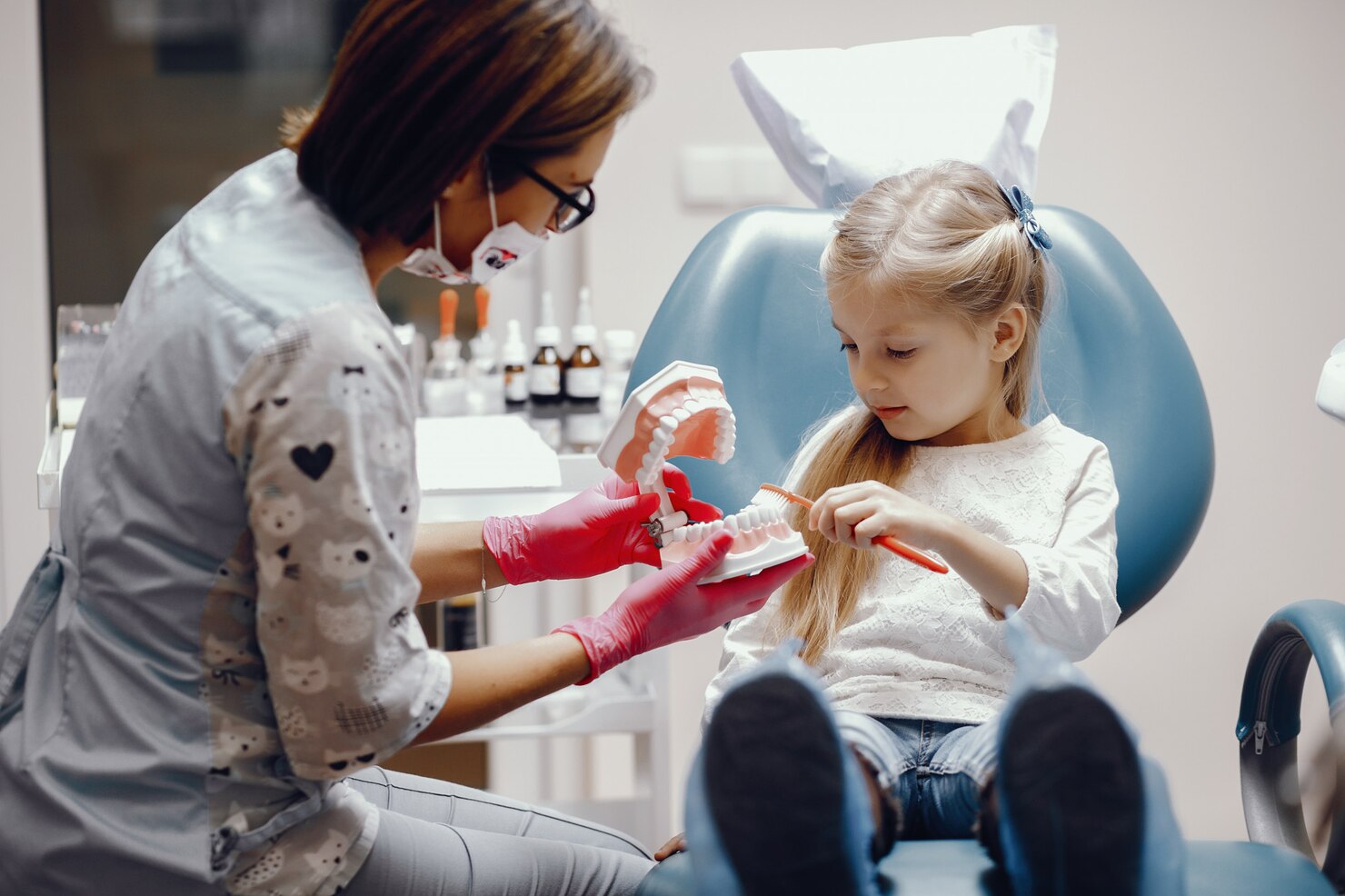
Kakatiya Superspeciality Dental Hospital encourages preventive dental care and healthy oral hygiene habits for children.
Frequently Asked Questions About Children's Dental Care and Cavity Prevention
Cavities develop when bacteria in the mouth break down sugars from food and drinks, producing acids that damage tooth enamel. Frequent sugary snacks, improper brushing, inadequate fluoride exposure, and irregular dental checkups can increase the risk of tooth decay in children.
Encourage your child to brush twice daily with an age-appropriate amount of fluoride toothpaste, limit sugary foods and drinks, drink water regularly, floss when neighbouring teeth touch, and attend regular dental checkups. Parents should supervise young children while brushing.
A child's first dental visit should ideally happen when the first tooth appears or by the first birthday. Early dental visits help monitor tooth development, identify possible problems, and provide parents with preventive oral care guidance.
Children below 3 years should generally use a smear of fluoride toothpaste about the size of a grain of rice. Children aged 3 to 6 years should use a pea-sized amount. Parents should supervise brushing and ask a dentist about the appropriate fluoride concentration for their child.
Early signs of tooth decay may include white or chalky spots, brown or black marks, tooth sensitivity, pain while chewing, visible holes, and toothache. Some cavities may not cause pain initially, so regular dental examinations are important.
Parents looking for children's dental care in Hanamkonda or Warangal can enquire at Kakatiya Superspeciality Dental Hospital about children's dental consultations and preventive oral care. A dental professional can assess your child's teeth and recommend suitable care based on their needs.
Children's Dental Care at Kakatiya Superspeciality Dental Hospital
Children's dental health requires consistent attention, preventive care, and healthy daily habits. Regular dental examinations, proper brushing, balanced nutrition, and limiting sugary foods can help reduce the risk of cavities and support healthy tooth development.
At Kakatiya Superspeciality Dental Hospital, parents can enquire about children's dental consultations and preventive oral care. If you are looking for a pediatric dentist in Hanamkonda or Warangal, professional dental guidance can help you understand your child's oral health needs and suitable preventive care options.
Conclusion
Preventing cavities in children starts with small but consistent daily habits. Proper brushing, age-appropriate fluoride toothpaste, healthy eating, limiting sugary drinks, and regular dental checkups all play an important role in maintaining strong teeth and healthy gums.
Parents should pay attention to early signs of tooth decay and seek professional dental advice whenever necessary. Developing positive oral hygiene habits during childhood can support better dental health throughout life.
At Kakatiya Superspeciality Dental Hospital, parents can enquire about children's dental consultations and preventive oral care. Make children's dental care a priority today to support a healthier, brighter smile tomorrow!