
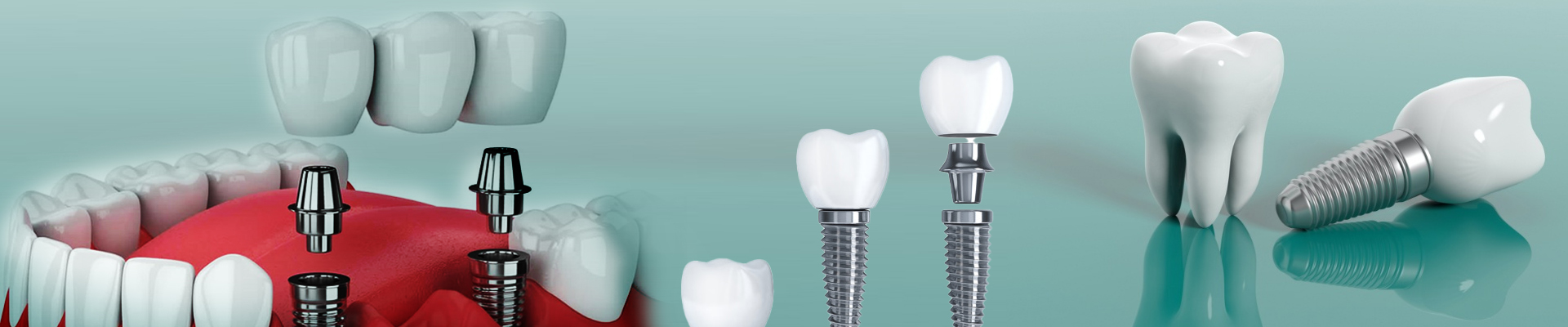
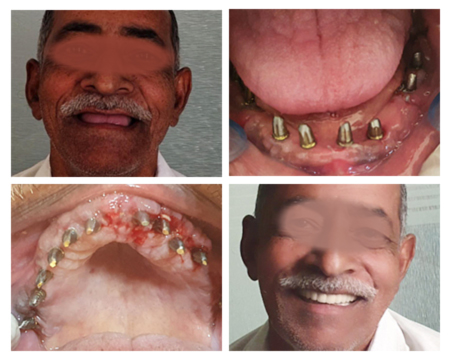
Dental implants are biocompatible metal anchors surgically positioned in the jaw bone underneath the gums to support an artificial crown where natural teeth are missing. They are in no way cemented or connected to remaining teeth like traditional crowns or bridges. Implants are usually made from a metal called titanium, which is readily accepted by the body. Next, the crown is laboratory-fabricated similar to natural tooth supported crowns. Accepted by the American Dental Association, dental implants have been used for many years and hundreds of thousands of them have been placed. How does it work? There is a phenomenon called osseointegration, meaning that titanium is so compatible that bone actually attaches itself to the implant. The advantages include increased stability of dentures while also reducing long-term bone resorption, the ability to restore a missing tooth without altering the teeth on either side of the space.
Anyone who is missing teeth and can benefit from a better chewing efficiency, and improved appearance or speech, is a candidate for implants. Implants can be the solution when it has become difficult or impossible to wear a removable partial or complete denture.
Eligible candidates meet the following criteria:
Has enough jaw bone, and dense enough bone, to secure the implants.
You do not have a disease or condition that interferes with proper healing post implant surgery (i.e. uncontrolled diabetes, radiation/chemotherapy for treating cancer, or smoking depending on your surgeon's position on this matter).
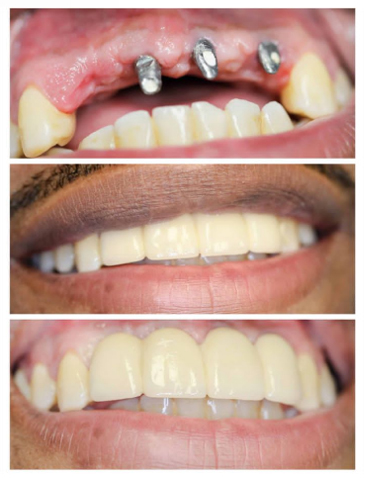
First, an examination and medical history review is conducted with us. Your exam may include several types of x-rays to provide essential information about the jaw bones and it's anatomy, models of your jaws. If we determine that you are a candidate, we will align you with our implant surgeon and work together as a team. Based on the results of each of our examinations, the team will discuss all aspects of your case with you.
Stage I Surgery : Most likely done in a dental office setting, the first procedure involves placing the implant fixtures in the jaw bone under local anesthesia and a mild sedative, or in some cases IV sedation or general anesthesia will be used (this is where your desires weigh heavily). The integration to bone will take place as soon as healing progresses, and the implant fixtures should be firmly anchored to bone within four to six months. Some cases will require bone grafting to assure that the implant anchor is completely secured in bone.
Stage II Surgery: After healing is completed, the second stage surgery is completed under local anesthesia or sedation if you desire. The implants residing under the gums at this point are exposed for access by the surgeon, so we, the restorative dentists, can place a crown on them. This is a minor surgery.
Immediate Implant and Crown Surgery: In rare cases, the environment may be conducive to receiving your implant and temporary crown in the same day. Again, some of these cases will need some bone grafting for optimal success.
When your gum tissues have completely healed after Stage II surgery, you are ready to visit us and begin construction of your new crown(s). We will make impressions of your mouth (without anesthesia usually!), bite registrations of the way your jaws bite together, then the impressions are used to reproduce your jaws/teeth while you are gone. Based on these models, your crowns will be fabricated. It may take as few as two or possibly several appointments depending on the complexity of your case.

KAKATIYA SUPER SPECIALITY DENTAL HOSPITAL is one of the largest and well equipped Dental Hospitals in Warangal , located in the heart of Hanumakonda City.


